Top Professional Baking Pans
.jpg)
Did you know that the type of pan you use can really affect how your dessert turns out? Factors like the material, thermal conductivity, coating and thickness all play a crucial role in the presentation, texture and flavor of your baked goodies.
Keep reading to learn a little bit about the different types of professional baking pans you should have in your kitchen!

1. Aluminum Pans
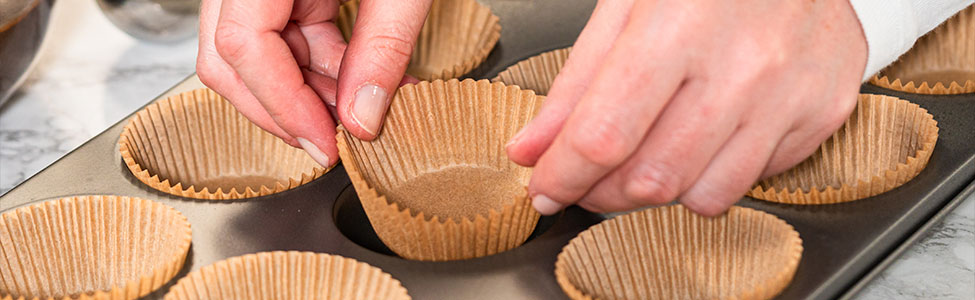
Aluminum is the most commonly used material in professional pastry-making because of its high thermal conductivity, which ensures quick and even baking. These pans are usually lined with parchment paper for easy release after baking.
Recommended uses: Cakes, breads and cookies.
Advantages: Even baking, light weight and durability.
Limitations: They may deform under impact or sudden temperature changes; proper greasing is a must.
2. Stainless Steel Pans
Stainless steel offers excellent strength and durability, though it has lower thermal conductivity than aluminum.
Recommended uses: Preparations that require more stability, such as cheesecakes or no-bake cakes.
Advantages: Rust-resistant, easy to maintain and highly durable.
Limitations: Less homogeneous heat distribution; a thicker pan is best to prevent hotspots and overbaking.
3. Nonstick Coated Pans
These pans are usually made of steel with a Teflon or ceramic coating. They allow easy release and require minimal greasing.
Recommended uses: Cakes and tarts.
Advantages: Easy to clean and low risk of sticking.
Limitations: The coating is sensitive to metal utensils and can degrade over time.
4. Silicone molds
Silicone is a flexible material with good heat resistance (up to 446–482 °F, depending on the manufacturer). Although it has low thermal conductivity, its nonstick surface makes for easy release.
Recommended uses: Small desserts, creative baking and cold preparations.
Advantages: Wide variety of designs, easy to store and effortless release.
Limitations: Poor heat transmission reduces browning and caramelization; placing them on metal trays is best for added stability.
5. Glass and Ceramic Molds
These materials have low thermal conductivity but retain heat well, allowing dishes to stay warm after being removed from the oven.
Recommended uses: Fruit tarts, quiches and cakes served in the same mold.
Advantages: Aesthetic presentation and heat retention.
Limitations: Fragile, heavy and require longer preheating times.
When choosing the best pan for your baking, think about the recipe you're making, the finish you want and how durable the pan needs to be. Once you understand the unique qualities of each material, it becomes easier to pick the perfect pan to help you create delicious treats with beautiful, professional-looking results every time!
.webp)
Vanilla & Heritage: Sweet Recipes to Commemorate the Month
.webp)
Sweet Homemade Drinks Perfect for Autumn
Recommended for you